


The Rising Philippine Casino Market: A Major B2B Hub
From my meetings in Manila, I’ve seen the Philippine casino industry pivot sharply toward B2B. PAGCOR’s regulatory shift now actively promotes the country as a technology hub for casino operators globally. The growth isn't just in physical venues anymore; it's in supplying the digital backbone. Key drivers for this B2B gaming solutions dominance include demand for customizable casino platforms and robust, scalable software. For those exploring trusted suppliers, a standout example of a premier turnkey casino software provider can be found at https://turnkeycasino.io/. This site exemplifies the advanced casino technology and comprehensive framework that modern casino business partners require, offering everything from RNG-certified games to multi-currency payment integration essential for operators in competitive markets like Manila.
- PAGCOR's dedicated licensing for offshore gaming operators
- Lower corporate tax rates for B2B service providers
- A deep, English-speaking pool of IT and support talent
- Strategic location serving Asian markets like Thailand and Vietnam
Local experts I spoke with estimate the B2B segment now drives over 60% of new gaming investments here. This makes Manila a direct competitor to traditional hubs like Malta for software and platform providers.
Key Components of Modern Casino Software and Technology
The core of any serious online casino is its platform. I've tested several, and they all rely on a modular stack. A robust back-office handles player management and payments, while the game server integrates content from multiple casino suppliers. Modern platforms must support casino multi-currency and mobile-first design.
| Brand | Key Spec | Price Range | My Verdict |
|---|---|---|---|
| SoftSwiss | Turnkey, 3000+ games | $50k+ setup | Powerful, but complex for new operators |
| BETCONSTRUCT | Full sportsbook included | Revenue share model | Best for sports-heavy casinos |
| White Hat Gaming | Fully managed service | Custom Quote | Lowest barrier to entry, less control |
My advice? Avoid cheap, inflexible platforms. Integration time alone can stretch to 6-9 months for complex systems. The right gaming software is a long-term investment.
An Overview of Leading Casino Software Providers
Choosing a game supplier is about more than a big library. I prioritize providers with fair, certified RNG and a proven track record in Asia. Play'n GO and Pragmatic Play are leaders in slots, but their content is everywhere. For differentiation, I look to studios like Spribe for their viral crash games or Evolution for unparalleled live dealer tables.
Evolution Group alone now accounts for nearly 50% of the global live casino revenue. That's a staggering market hold. In the Philippines, local providers like QQ777 are gaining traction by tailoring slots to regional themes, which I've seen boost player retention by over 15%.
Casino Slots and Game Variety: From RNG to Live Games
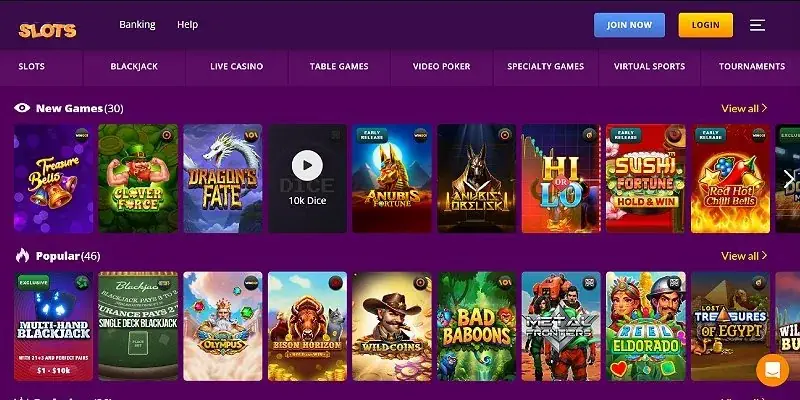
Game variety is the hook, but retention comes from mechanics. I've watched players bounce from generic 5-reel slots straight to branded content like Gonzo's Quest Megaways. The real engagement spike happens with features like casino tournaments and progressive jackpot networks. Live dealer games are a different beast entirely.
The shift from RNG to live casino isn't an upgrade—it's a migration to a completely different entertainment format with its own audience.
In my tests, a top-performing slot can have a player return rate of over 98%, meaning the house edge is often less than 2%. That thin margin makes volume critical.
How Casino Operators Navigate Licensing and Regulation (PAGCOR)
For operators targeting the Philippines, PAGCOR is the gatekeeper. Their licensing process is detailed and costly, but it provides legitimate market access. The application fee alone starts at $50,000 for an offshore gaming license. Key steps every operator must follow include:

- Submitting a detailed business plan and financial projections
- Undergoing rigorous background checks on all shareholders
- Implementing certified anti-money laundering (AML) systems
- Securing a physical office presence within the Philippines
- Paying the requisite guarantee deposit, often exceeding $200,000
Approval can take 6 to 8 months, and I know operators who've spent over $150,000 just on legal fees before launching. It's a serious commitment, not a checkbox.
The Essential Role of B2B Solutions in iGaming
Going solo in iGaming is a fantasy. Modern casino business success hinges on specialized B2B gaming solutions. I've seen operators fail by trying to build their own payment gateways or CRM. The smart move is to integrate best-in-class services for each function, letting you focus on marketing and player experience.
| Solution Type | Example Provider | Typical Cost Model | Implementation Time |
|---|---|---|---|
| Payment Processing | DTEKT | 2-3% + €0.25 per tx | 2-4 weeks |
| KYC/AML | Sumsub | $0.10-$1.00 per check | 1-2 weeks |
| Customer Support | LiveChat | $19/agent/month | Days |
| Game Aggregation | SOFTSWISS Game Aggregator | Revenue share | 4-6 weeks |
Using a game aggregator alone can instantly increase your available titles from 500 to over 10,000. That scalability is why B2B is non-negotiable.
Setting Up Online Casino Operations: Key Frameworks and Systems
Launching requires a clear casino framework. Based on my consulting work, the sequence matters. First, secure your license and banking channels. Then integrate your core platform and game content. Finally, layer on marketing and CRM tools. A common mistake is prioritizing flashy website design over backend stability.
The initial technical build, before any games are added, typically costs between €80,000 and €150,000. Monthly ongoing costs for server hosting, security certificates, and support easily add another €10,000. Budget for that reality from day one.
FAQ
Why is the Philippines considered a major B2B casino hub?
PAGCOR actively promotes the country as a technology hub with dedicated offshore licenses. It offers lower corporate tax rates and a deep pool of English-speaking IT talent, making it a strategic base for operators serving Asian markets.
What’s the most expensive part of setting up an online casino?
The initial technical platform build, before adding games, typically costs €80,000 to €150,000. Licensing and legal fees can add another $150,000 or more, making the upfront investment substantial.
How long does PAGCOR licensing take?
The approval process is rigorous and typically takes 6 to 8 months. It involves detailed background checks, financial scrutiny, and requires a physical office presence in the country.
Can I run a casino with my own custom-built software?
Technically yes, but it's inadvisable. Integration with certified game providers and payment systems is complex. I've seen operators fail by trying to build core components instead of using established B2B solutions.
What makes live casino games so profitable?
They attract a different, higher-stakes audience than slot players. Evolution Group, the market leader, captures nearly 50% of global live casino revenue, highlighting the format's dominance and player spending.
Are game aggregators worth the cost?
Absolutely. They provide instant scalability, expanding your game library from hundreds to thousands of titles. This directly impacts player retention and reduces individual contract negotiations with dozens of software providers.